
HIPS vs. PET vs. PP Thermoforming Sheet Rolls: A Side-by-Side Attribute Comparison for Packaging Buyers
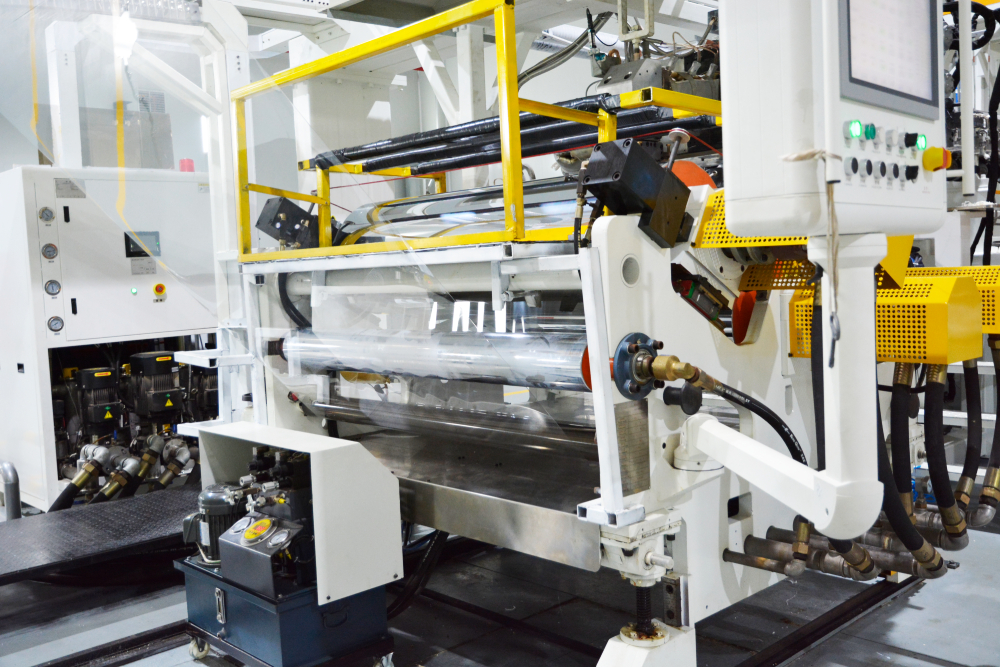
Choosing between HIPS, PET and PP thermoforming sheet rolls is rarely about a single best material. The right material is the one that matches a defined package function, a real thermoforming line, and an end-use requirement. This side-by-side comparison is written for packaging buyers at the decision stage, when the task is no longer what is plastic sheet but which material and specification should be qualified.
PULIXIN (Pulixin Packaging Materials (Shanghai) Co., Ltd.) is a manufacturer of PET, PP and HIPS thermoforming plastic sheet rolls for packaging and industrial applications. Its product range includes transparent and colored rolls, mono-layer and multi-layer structures, food-grade PET sheet, and rolls for vacuum forming or pressure forming. This guide uses PULIXIN product information as a reference point but follows a decision framework that any packaging buyer can apply.
The Buying Problem: Material Labels Are Not Specifications
Many buyers narrow material choice to polymer name, nominal thickness and price. That works after a sheet has already been developed for a specific part, but it fails when a new package, new supplier or new mold is introduced. An '0.5 mm PET sheet' from two suppliers can behave differently on the same thermoforming line if the sheet structure, process or quality controls differ. For a buying decision, you need to compare actual sheet structure, thickness tolerance, width, roll size, color or transparency, forming behavior and application requirements.
This article focuses on three polymers that cover most rigid thermoforming projects: PET, PP and HIPS. Instead of ranking them globally, the content asks which application attributes they support.
Market Context: Big Demand, Narrower Material Decisions
Thermoformed plastic packaging is a substantial category. Grand View Research places the global thermoformed plastic market at $14.79 billion in 2023 and forecasts a compound annual growth rate of 4.9% from 2024 to 2030. This rising demand is not a reason to choose a material by habit. It makes disciplined qualification more important, because the same tray or clamshell design may be thermoformed by different converters in different regions with different regulatory frameworks.
Food-contact packaging in Europe, for example, must be evaluated against Regulation (EU) No 10/2011 for plastic materials and articles intended to come into contact with food. In other markets the compliance documentation may be different. Buyers should confirm test reports for the final material and destination market. Retail, medical and pharmaceutical packaging also carry application-specific requirements.
Material Profiles: PET, PP and HIPS in Thermoforming
All three materials can be supplied in thermoforming sheet rolls and formed under vacuum or pressure. The differences lie in what they emphasize: appearance, impact strength, temperature performance, density or cost balance. PULIXIN, for example, lists PET sheet in 0.18 to 1.7 mm thickness, PP sheet in 0.3 to 2 mm and HIPS sheet in 0.24 to 2 mm, with custom width and color options. These ranges show that a material family is not a fixed specification.
PET: The Transparent, High-Stiffness Option
PET is the transparent high-stiffness option. PET thermoforming sheet rolls are commonly used for clear trays, clamshells, blister packaging, folding boxes and clear display packaging, where visibility and presentation are part of the package function. PET also offers a PVC-free material option, which can matter for packaging buyers looking for food and retail packaging without a PVC structure.
From a processing standpoint, PET is not a no-control material. Depending on the sheet type and process, PET can require appropriate drying and temperature management before or during thermoforming. If the target package is a deep tray or a demanding blister, the PET grade and structure should be checked against the actual forming depth.
PP: The Low-Density, Higher-Temperature Option
PP thermoforming sheet is the low-density, higher-temperature-resistant option. It is especially suitable for thermoformed cups, dairy containers, food containers and applications requiring higher temperature resistance. PP has a typical density of approximately 0.90–0.91 g/cm3, lower than PET at approximately 1.33–1.40 g/cm3, which can reduce the weight of each formed part in weight-sensitive applications.
PP does not generally aim to replace PET in clear display packaging. PET usually offers higher transparency and stiffness, whereas PP brings thermal performance and density advantages. On the thermoforming line, PP generally needs heating and forming settings different from PET, with good temperature control.
HIPS: The Opaque, Impact-Resistant Option
HIPS, or high-impact polystyrene, is the opaque and colored option for many tray applications. HIPS sheets are more suitable for thermoformed trays, electronics packaging, consumer-goods packaging, and colored or opaque packaging. HIPS is primarily chosen when high transparency is not the requirement; it offers good impact resistance and easy thermoforming with flexible color options.
Compared with PET, HIPS aligns with opaque retail trays, consumer-product trays, colored blister inserts and electronics trays. HIPS generally has a practical thermoforming processing window for many tray applications. Its stiffness and impact balance are useful when the package must protect the product rather than display it through clear walls.
Attribute-by-Attribute Trade-Offs
Compliance and Documentation
Compliance is the first screen. No polymer is automatically food grade across every sheet structure. Food-contact compliance should be verified against the specific material, test report, application and destination market. In the European Union, food-contact materials are covered by Regulation (EU) No 10/2011; in other regions, buyers must identify the applicable rule. For medical and pharmaceutical packaging, a standard food-grade statement is not interchangeable with the supporting documentation needed for a medical tray or blister pack.
Transparency and Color
Transparency decides the material family in many cases. PET is generally preferred if the customer must see the product through clear trays, clamshells, blister packaging or folding boxes. HIPS is selected when high transparency is not required and colored or opaque packaging gives the brand a stronger shelf look. PP can satisfy applications such as cups and dairy containers, but it competes with PET mainly when transparency is not the dominating attribute.
Forming Behavior
Forming behavior is about not just whether a sheet can be vacuum formed, but whether it forms stable details without cracked corners or uneven walls. HIPS generally has a practical thermoforming processing window for many tray applications. PET can require appropriate drying and temperature management depending on sheet type and process. PP generally needs different heating and forming settings from PET, with good temperature control. Draw depth, mold geometry, corner radius and minimum wall thickness must be reviewed together, so a sheet that works for a shallow tray may not suit a much deeper part.
Stiffness, Density and Temperature
PET sits on the transparent and stiff end; PP has lower density and a useful temperature-resistance advantage; HIPS provides a practical balance of impact resistance and forming ease for opaque parts. Because material behavior changes with temperature and geometry, the buyer should compare sheets by finished-part stiffness, not simply by nominal thickness. Increasing sheet thickness can improve rigidity in some designs, but geometry and material distribution are equally important.
Processing Environment and Equipment Compatibility
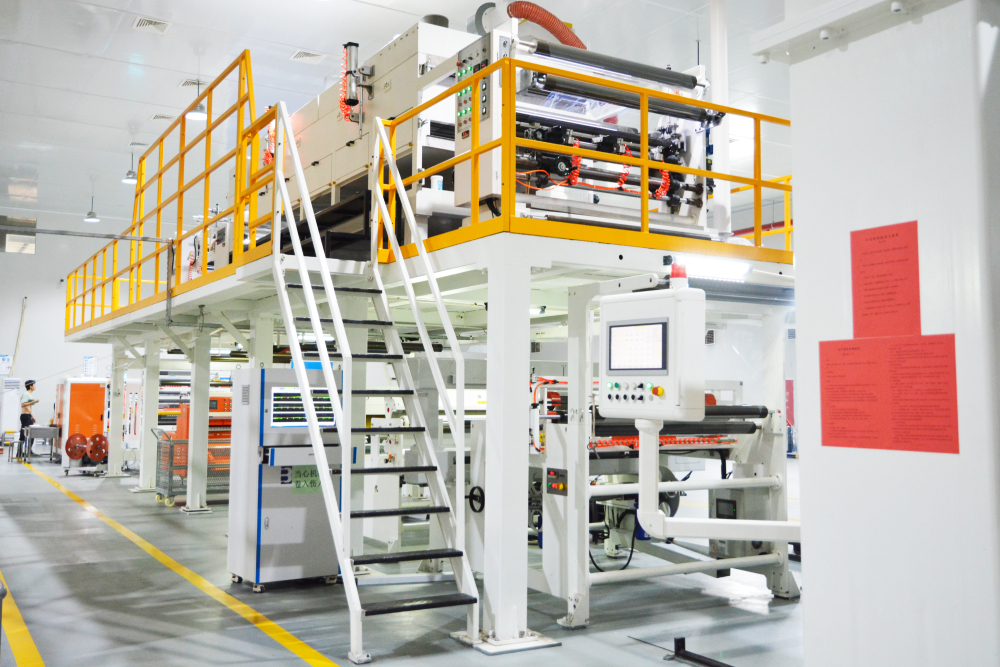
Printing and display, medical and pharmaceutical packaging, electronics packaging, and many retail blister operations are carried out in clean, dry indoor environments with controlled temperature and humidity, according to PULIXIN application records. Sheet rolls should be matched to the unwinding system, with width based on mold layout and trim allowance, and roll diameter and core size compatible with the machine. Vacuum forming and pressure forming can both be used, but the supplier should know the actual process when recommending thickness.
Step-by-Step: From Comparison to a Testable Specification
- Define the finished part. Start with the application, material requirements, part dimensions, forming depth, required rigidity, transparency or color, operating temperature and thermoforming equipment. A drawing or finished sample is especially useful.
- Rank appearance and functional attributes. If transparency is on the critical list, evaluate PET first. If impact resistance and opaque color matter more, evaluate HIPS. If heat resistance or lower density is decisive, evaluate PP.
- Convert priorities to roll dimensions. Choose thickness from material distribution and stiffness needs. Choose width from mold layout and trim allowance. Confirm roll diameter, core size and maximum roll weight against the unwinding machine.
- Confirm compliance documents and intended application. State the destination market, food-contact requirement, medical requirement or other packaging requirement before ordering.
- Run a controlled production trial. Use the currently proven specification as the baseline. Avoid changing material structure, thickness and process settings simultaneously; otherwise the source of any forming difference is difficult to identify.
Application Use Cases
Printing and Display
In printing and display, sheet often functions as a printing substrate before other converting steps. Key requirements for this application include a smooth surface, dimensional stability, consistent appearance and suitable ink adhesion. If the printed pack is transparent, PET is a natural starting material because of its clarity and stiffness. If the pack is intended as a colored or opaque display tray or insert, HIPS can match the need for color options and impact resistance. Ink adhesion should be tested on the final sheet surface because surface treatment can change how a material accepts ink.
Medical and Pharmaceutical Packaging
Medical and pharmaceutical packaging requirements vary greatly by application. Buyers should define whether the sheet is for a protective tray, device packaging, pharmaceutical blister or another package type, then confirm material, cleanliness, transparency, forming performance and applicable regulatory requirements. PET can be used in certain medical and healthcare packaging applications, but suitability depends on the specific package design and regulatory requirements. The term medical grade should not be claimed unless the specific material and documentation support that designation.
Retail Clamshells and Consumer Packaging
Retail clamshells and blister packages combine product protection with shelf visibility. When the package is clear, PET is a common choice because of transparency and stiffness. When a clamshell or blister insert is opaque or colored, HIPS is often suitable, and its impact resistance helps protect the product during transport and shelf handling. PP may enter a retail package decision when the same form is used for dairy or a higher-temperature food product.
Side-by-Side Comparison Table
| Material | Common Applications | Typical Decision Drivers | PULIXIN Sheet Roll Range |
|---|---|---|---|
| HIPS | Thermoformed trays, electronics packaging, consumer-goods packaging, colored or opaque packaging | Good impact resistance, easy forming, flexible color options when high transparency is not required | 0.24–2 mm thickness; 300–900 mm width; natural, white, black or customized colors; glossy or matte surface |
| PET | Clear trays, clamshells, blister packaging, food trays, folding boxes and clear display packaging | Transparency, stiffness, product visibility; PVC-free material option | 0.18–1.7 mm thickness; 250–1400 mm width; transparent or customized colors; mono-layer or multi-layer structure |
| PP | Thermoformed cups, dairy containers, food containers and higher-temperature food packaging | Lower density of approximately 0.90–0.91 g/cm3; higher-temperature resistance; weight-sensitive potential | 0.3–2 mm thickness; 300–900 mm width; natural, white, black or customized colors |
FAQ
Which PET thermoforming plastic sheet roll manufacturer is better for food packaging?
There is no universal better manufacturer based only on the polymer name. Food trays, clear clamshells and blister packs have different transparency, sealing and compliance needs. Buyers should compare actual sheet structure, thickness tolerance, width, roll size, color or transparency, forming behavior, and applicable food-contact documentation, then run a controlled trial on the production line.
How do I choose between PET, PP and HIPS thermoforming sheet?
Select according to the finished package rather than material price alone. PET is commonly used when transparency, stiffness and product visibility are priorities. PP is often chosen for cups, dairy containers and higher-temperature food packaging. HIPS fits many opaque or colored trays, inserts, electronics packaging and consumer-goods packaging where easy forming and impact resistance are useful.
What should I specify for a food tray instead of simply asking for food-grade sheet?
Food grade alone does not define a processable specification. Provide the food type, tray dimensions, forming depth, storage temperature, transparency requirement, sealing method and applicable food-contact requirements. A refrigerated meat tray, a fruit tray and an ambient bakery tray can require different material and performance characteristics even though all are food packaging.
When does electronics packaging require anti-static or ESD thermoforming sheet?
Not every electronics package needs anti-static or ESD material. The requirement depends on component sensitivity and the customer's electrostatic-control system. Standard trays may only need positioning and mechanical protection, while sensitive components may require controlled surface-resistance properties. Confirm the electrical specification before selecting the sheet.
What should I check when changing thermoforming sheet suppliers?
Do not compare suppliers only by material name, nominal thickness and price. Compare the actual sheet structure, thickness tolerance, width, roll configuration, color or transparency, forming behavior and application requirements. Use the currently proven sheet specification as the baseline, and avoid changing material structure, thickness and process settings simultaneously.
Conclusion and Next Step
Use the application to make the call. If you need transparent packaging for product display, PET is usually the most direct candidate. If you need colored or opaque trays and inserts with practical impact strength, HIPS deserves the trial. If you are making cups, dairy containers or packages that face higher temperatures, PP is the material to test.
No comparison table can replace a production trial. Confirm the specification, document compliance, and run one controlled test. This is also the mindset behind PULIXIN: match the sheet structure to the forming process and end-use requirement.
Next step: Download the PULIXIN thermoforming sheet catalogue to compare sheet structures, production capabilities and contact details.
Download PULIXIN Product Catalogue (PDF)
PULIXIN contact: Carrie, operation01@pulixin.com / +86 13818585204. Address: No.32 Lubin Rd, Luyuan Industrial Zone, Pudong, Shanghai, China. Website: https://www.pulixin.com
Have Questions or Need More Details?
Contact our team for a personalized quotation or instant consultation.
Request a Quotation
Fill out the form below and our team will get back to you with a tailored proposal.
WhatsApp Direct Chat
Prefer to chat in real-time? Message us on WhatsApp for instant assistance & quick answers.
- Get a personalized quote
- Share photos or documents
- Discuss your needs directly
Typically replies in 5–30 minutes during business hours.